
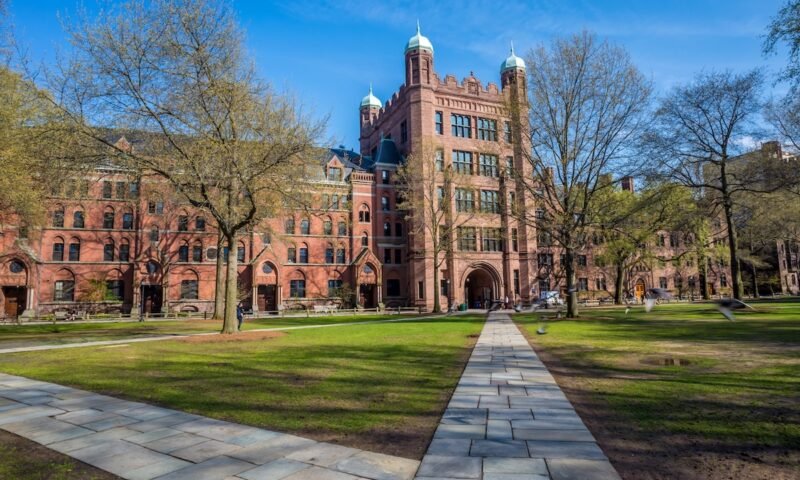

- Yale University is expanding its free tuition policy for families earning up to $200,000 a year, up from $150,000, starting in fall 2026.
- The change is an expansion of their existing program and aligns with what Harvard and MIT have to offer.
- Families should expect a review of assets and should remember that “free tuition” does not always mean free college.
Yale University will allow students from families earning up to $200,000 a year to attend tuition-free starting in the fall of 2026, the university confirmed this week, expanding a financial aid policy in place for several years. The minimum was previously set at $150,000.
Under the updated policy, families earning up to $100,000 a year will continue to pay nothing at all — to cover tuition, housing, meals and other required costs. Families with incomes between $100,000 and $200,000 will not be charged tuition fees, although they may have to pay for room and board.
Change comes as well Tuition fees at Yale University That rises to $69,900 per year, with total costs of more than $90,000 once housing, meals, fees and books are included. By expanding the income cutoff, Yale joins a small but growing group of elite universities that offer free financial aid packages.
Yale raises cap for 2026-27
This announcement may seem dramatic, but Yale isn’t offering a new idea. The university currently offers generous need-based aid and previously covered full tuition for families with incomes up to $150,000. The latest step simply raises this cap to $200,000, reflecting changes in household incomes, cost pressures, and competition among peer institutions.
Yale officials say the policy builds on previous expansions that led to significant increases in enrollment from low-income families. Today, more than half of Yale’s undergraduate students receive some form of financial aid, and more than 1,000 students attend the program for free.
The university is able to bear the costs of expansion. The value of the endowment provided by Yale University is about $44 billion, and it recorded a growth of about 11% last year, which makes it the second largest endowment in higher education (after Harvard University).





However, Yale University cautioned that eligibility depends on what it considers to be “typical” family assets. Households with significant savings, investments, or home equity may receive reduced aid even if their income falls below the $200,000 threshold.
The broader trend of tuition-free college
Yale’s decision reflects a broader pattern we’ve reported on extensively: More colleges, especially wealthy private universities, are announcing tuition-free policies as a way to address rising sticker prices and growing doubts about the value of college.
Compare this with The College Investor’s study of what families pay out-of-pocket for college, and you can see why it’s important.
Elite peers, including Harvard University and MIT, offer free tuition to families with incomes up to $200,000, with the cost fully covered under $100,000. Other universities, such as Princeton and the University of Pennsylvania, have pushed their income thresholds to higher levels.
These policies differ from many state and community college “Promise” programs, which are often last-dollar grants and apply only after other aid has been used. At elite private colleges, aid is typically scholarship-based and replaces loans, reducing long-term student debt.
At the same time, this trend reflects political and public pressures. Prestigious universities face increasing scrutiny over affordability, student debt scores, and the amount of scholarships they offer. Expanding tuition waiver policies helps institutions demonstrate public value without changing their core business model.
What does this mean for families?
For middle- and upper-middle-income families, Yale’s announcement could change how the school fits into college planning. Yale University was previously ranked No. 19 on College Investor’s list of the most expensive colleges in America.
Families making between $150,000 and $200,000 may have previously dismissed Yale as unrealistic. The new policy could bring the cost of a Yale education closer to the cost of studying at an in-state public university, at least on paper.
But families should read the fine print. “Free education” does not mean free college. Lodging, meals, books, travel, and personal expenses can still add up to tens of thousands of dollars annually. When families file the FAFSA and CSS, they can reveal assets that can also reduce aid, especially for homeowners or families with significant savings.
Families considering Yale or similar schools should complete the FAFSA and CSS Profile, run each school’s net price calculator, and compare offers side-by-side. Income limits are useful signals, but the final number is always odd.
Don’t miss these other stories:



