
Globalization has shaped how wealth is created and preserved. Technology, business partnerships and cross-border collaboration have enabled people to build income streams originating thousands of miles away. Supply chains have evolved, markets have opened up, and entire industries are interconnected in ways that seemed impossible just a few decades ago.
But geopolitical fragmentation is complicating this progress. Inflation takes away purchasing power. Tariffs, export controls, sanctions… they are disrupting the trade flows that many companies depend on. Political shocks can quickly reshape supply chains and cause capital to move in unexpected directions. All of this affects how value is stored over time.
However, with the right strategies, you can maintain or even grow the value of what you’ve worked hard for despite turmoil.
Understanding inflation and diversification
Inflation – It is a real big threat to long-term wealth. As currencies weaken, the same amount of money buys less.
When geopolitical tensions escalate, markets often see sharp price swings as governments compete for resources, some impose trade barriers or change fiscal priorities.
This is why diversification is an essential tool for preserving wealth.
The advantages of investing in fixed assets this year (or almost any year) are clear, as tangible options such as metals and real estate have proven their resilience in the face of inflation and difficult market times.





Hard assets tend to hold value because they do not depend solely on financial market sentiment or political stability. Their scarcity and demand, combined with their intrinsic usefulness, help protect against currency risk.
Investing in tangible assets
Tangible assets often play a stabilizing role when global fragmentation intensifies. During periods of trade uncertainty or conflict risk, investors typically rebalance toward stores of value that are not easily affected by central bank policy or cross-border capital controls.
Precious metals in particular have a long history of performing well during geopolitical tensions. This is partly because their prices do not always follow the same pattern as stocks or bonds.
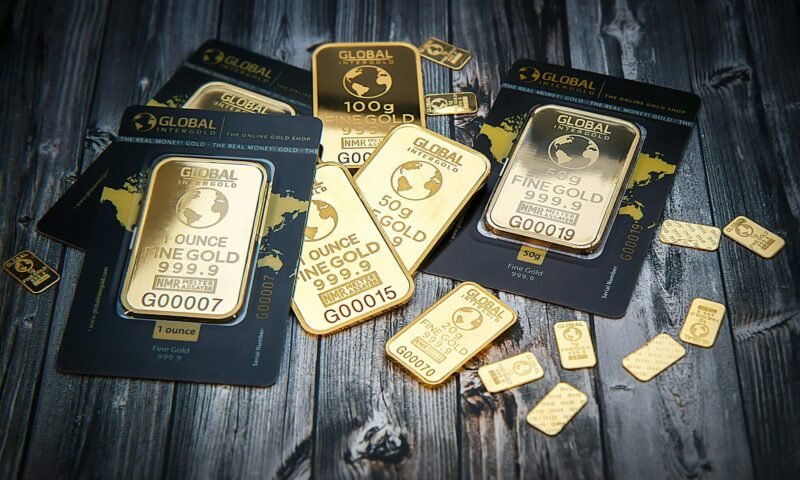
when Buy gold Today, there is a good chance that its value will be much higher years or even decades from now. It remains one of the most widely used inflation hedges. That’s why most investors include it as part of a broader diversification plan.
How fragmentation reshapes capital allocation
As supply chains shift and business alliances evolve, capital allocation strategies must adapt. Companies and individuals often respond by spreading investments across sectors, regions, and asset classes.
Some of the most effective methods include the following:
- Prefer assets with strong historical resilience during sovereign debt or currency crises
- Allocate funds to markets less vulnerable to tariff escalation
- Increased exposure to globally recognized portable value stores
- Maintain cash or liquidity reserves in multiple currencies
These choices reflect broader market behavior. In fact, recent guidance on wealth protection has been shared in Strategic update to Safe Money’s risk and instability report It highlights how investors are shifting towards assets that can withstand inflation and geopolitical unpredictability.
This shift is also evident in trade dynamics. For example, insights from a research study How US-China tensions are reshaping supply chains This is reinforced by the fact that fragmentation is no longer just an occasional shock, but has become a continuing structural force.
Risks of regional conflicts and systemic shocks
Conflict risks remain one of the biggest drivers of wealth volatility. When an area becomes unstable, currency trading values can decline rapidly. Foreign investors often pull back, and supply chains sometimes change overnight.
These disorders can:
- Increased transportation costs
- Limit access to essential items
- and influencing interest rate decisions.
How conflict affects supply chains
Unexpected choke points or loss of trade routes impact manufacturing timelines. They can push companies to rebuild or shorten supply chains.
How does conflict affect currencies?
Markets tend to favor safe haven currencies during conflicts, which can reshape exchange rates and impact cross-border financial planning.
Build a modern plan to preserve wealth
A strong conservation plan embraces adaptability. It mixes liquid assets with tangible stores of value, spreads exposure across different economic regions, and avoids being too dependent on any single currency or sector. They also prioritize clarity. Understanding where the risks really lie makes it easier to protect what you’ve built.
conclusion
No one can predict every geopolitical shift or financial shock. However, by combining diversified investments with flexible hard assets and staying aware of global trends, you can create a strategy designed to withstand volatility. In times like these, this kind of preparedness is one of the most reliable forms of peace of mind.



