
College affordability took center stage this week, as states, universities and federal agencies implemented changes that could reshape how students pay for school — or what happens if they fall behind.
From new tuition-free pathways and expanded dual enrollment to the return of robust student loan collections and looming forgiveness deadlines, these developments have real consequences for families planning for the next few years.
Here’s a quick look at the most important stories shaping higher education and student finances this week on January 16, 2026.
🎓 Top headlines at a glance
- A major Texas university is launching a free program for middle-income families.
- Connecticut expands dual enrollment and vocational pathways to lower early college costs.
- Federal wage garnishment for delinquent student loan proceeds in 2026
- Some student loan borrowers face key deadlines to protect their student loan forgiveness eligibility.

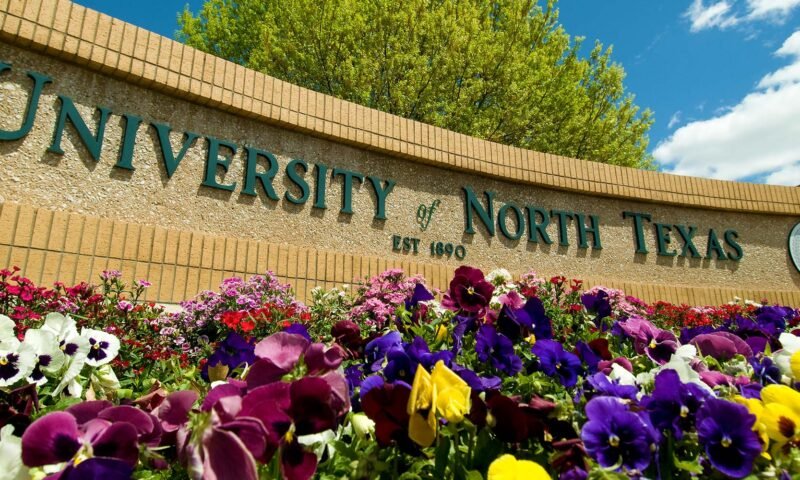
University of North Texas
1. The University of North Texas launches a free tuition program
University of North Texas Announce a new initiative Which will cover full tuition and mandatory fees for incoming students from Texas families who earn $100,000 or less, starting in the fall of 2026. The program applies to first-time students who graduate from a Texas high school and qualify for Pell Grants or rank in the top quarter of their graduating class.





Eligible students are automatically considered once they are accepted and complete the FAFSA by the school’s deadline. This adds to the growing list of free colleges.
➡️ impact: Tuition-waiver guarantees extend beyond low-income thresholds. For middle-income families who struggle with high costs but do not qualify for large financial aid packages, programs like these can significantly reduce borrowing.
2. Connecticut expands dual enrollment and career pathway programs
Connecticut state officials It revealed a statewide effort To expand dual enrollment, early college credit, and career-related learning for high school students. The initiative aims to allow more students to graduate with already completed college credits or credentials aligned with local workforce needs.
State leaders say the focus is on reducing the time needed to earn a degree while giving students early exposure to post-secondary options — whether college, training or a combination of both.
➡️ impact: Dual enrollment remains one of the most effective tools for lowering total college costs. Every credit taken in high school is later paid at much higher rates.
3. Wage garnishment for defaulted student loans returns in 2026
Federal student loan collections have officially resumed. The U.S. Department of Education will resume garnishing wages for delinquent borrowers — defined as loans that are more than 270 days past due.
Under federal law, up to 15% of available wages can be withheld after the required notice period. Borrowers can avoid garnishment by entering into student loan rehabilitation, consolidating their loans, or enrolling in an income-driven repayment plan before garnishment begins.
➡️ impact: Withholding immediately reduces take-home pay and can exacerbate financial stress. Borrowers who default still have options, but the window to act is shrinking.
4. Key deadlines loom for student loan forgiveness eligibility
Some borrowers seeking student loan forgiveness under income-driven repayment plans face important deadlines in 2026, with some actions needed to be completed by March to maintain eligibility or avoid losing progress.
If you have Parent PLUS loans, here’s the timeline you need to take action if you want to maintain access to loan forgiveness programs.
➡️ impact: Forgiveness is not automatic. Staying eligible often requires timely paperwork, a plan change, or a merger – especially as federal rules continue to change.
Related reading:



