
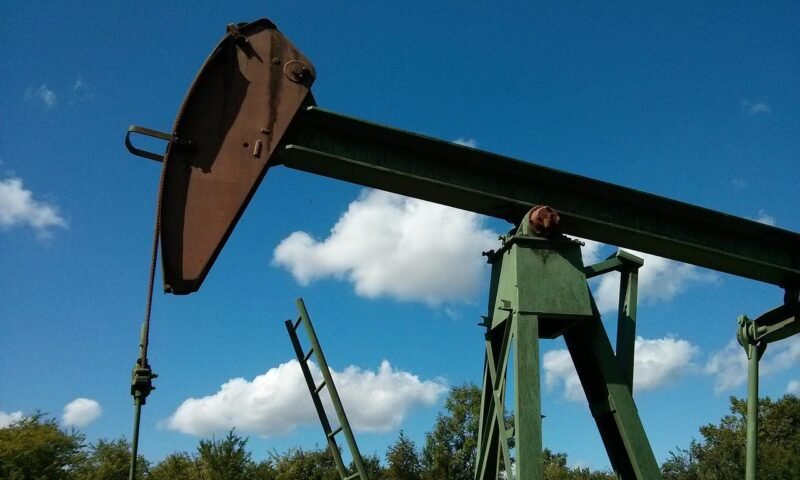
Oil works on everything from transportation networks to manufacturing operations, so when oil prices extend, the effects of ripples go beyond energy companies, creating winners and losers across every sector in the business world.
Transport and logistics services
The transport industry suffers more when oil prices swing greatly. Airlines are particularly sharp pressure, as fuel costs can represent 20-30 % of their operating expenses. suddenly A jump in crude oil prices The profitable roads can be converted to the losses of losses overnight, forcing the transport companies to implement additional fuel fees or reduce the capacity. Likewise, truck transport companies and shipping companies must constantly adjust their pricing strategies to maintain margins, and often transferred to consumers through high delivery fees.
The logistical services sector tests successive effects as companies re -assess their supply chain strategies. When fuel costs rise, companies may turn from timely delivery models into more translated sources, mainly changing the commercial relations in force and inventory management practices.
Manufacturing sectors
The intense energy sectors such as steel, aluminum and chemical production may witness the high costs of their inputs directly with raw prices, and they press profit margins and may make their products less competing in the world. Petrochemical companies, which use oil as fuel and raw materials, should navigate in special complex pricing dynamics.
However, some manufacturers benefit from low oil prices through low transportation and energy costs, which allows them to either improve margins or transfer savings to customers. The auto industry is a good example, as low fuel costs can enhance the demand for consumers on larger vehicles while reducing production expenses simultaneously.
Patterns of spending on consumer transform
Oil prices significantly affect consumer behavior and available income because when gasoline prices rise, families allocate more budgets for transport, and reduce spending on estimated elements such as eating, entertainment and retail purchase. This shift in particular affects companies in the services sector, from restaurants to shopping centers.





Low oil prices generally act as an economic incentive, allowing consumers effectively the ability to spend additional spending, and retailers may witness an increase in traffic on foot and the highest sales sizes during periods of low fuel costs, where families find themselves with more income available for unnecessary purchases.
Regional economic differences
The geographical effect of Oil prices fluctuations It can vary greatly on the basis of regional economic structures. The oil -producing areas such as Texas, North Dakota and Alberta are tested with prosperity and supernatural courses that affect everything from real estate markets to local banking systems, and if crude prices collapsed, these areas may suffer from unemployment, low real estate values, and stressful financial institutions.
It is a different story for regions that depend greatly on the manufacturing or services industries, as they usually benefit from low energy costs, which suffer from economic growth when oil prices drop.
Strategic commercial amendments
Smart companies can hedge from fluctuating oil prices using different strategies, with many companies that use financial tools to lock fuel costs, which reduces their sudden rise in prices. Others have invested heavily in energy efficiency improvements or alternative energy sources to reduce their dependence on flying fossil fuel markets.
The continuous transition towards renewable energy and electric cars represents a long -term strategy response to the uncertainty in oil prices, as companies seek to isolate themselves from the future oil market fluctuations while gaining competitive advantages in emerging green markets.
Understanding these interconnected effects helps business leaders make more enlightened decisions in the increasingly volatile energy scene.



