

You don’t need a degree to become a freelance writer, it’s that simple. There are other things more important to (most*) potential clients than your formal education level.
*There are of course some cases where customers require specific qualifications.
The best way to prove that you are capable of something is to do it. So if you want people to know you’re a great writer, the best thing you can do is write great copy!
I’ll talk more about the specific ways you can get freelance writing clients without a degree later. For now, it’s worth reiterating that your expertise, experience, and writing skills will generally be the same far more important then whether you have a diploma.
But there are some cases where you may need a degree, so let’s mention them briefly.





When you might need a freelance writing degree
The easy answer to when you might need a degree is when a freelance writing client asks for one. Some jobs simply require university-level expertise, or the client may want some additional evidence of your industry knowledge.
This is unlikely to be the case for blog posts. But when it comes to a technical piece or a niche like finance, law or medicine, don’t be surprised if the high-paying jobs require (or prefer) a relevant degree.
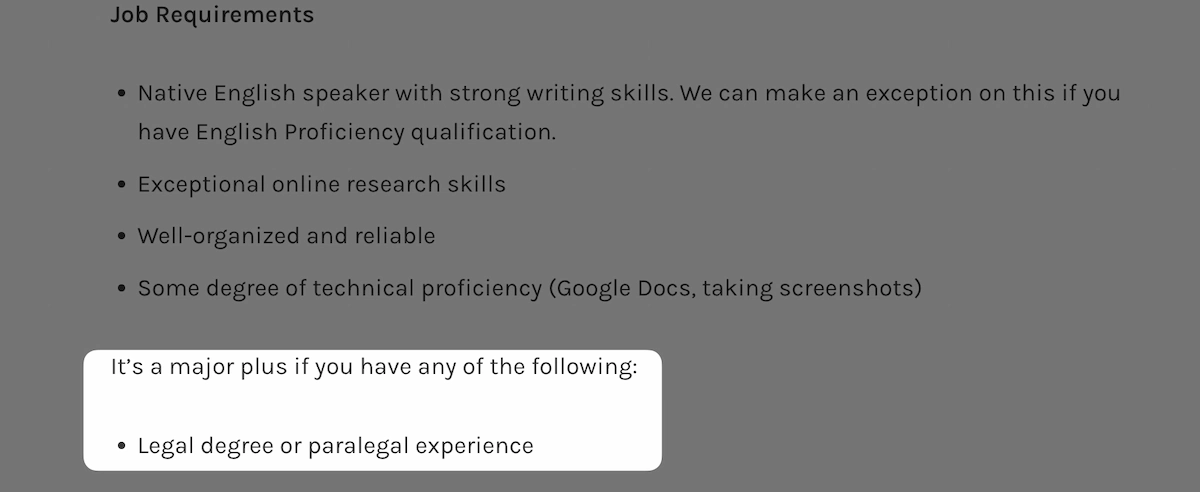
These types of niches are often called YMYL niches, which stands for Your Money or Your Life. Things like legislation, medicine and financial guidance can have a huge impact on a reader’s life or financial situation. So, clients should be careful when hiring writers in these niches.
They don’t want to hire a generalist writer who ends up giving potentially harmful advice on their behalf!
This means that many of them need experience in the niche – and often a degree. This is becoming increasingly common on websites where site owners list authors or article reviewers by their relevant degree to appear more trustworthy. So you may need a degree to work in these niches.

Some clients, particularly major publications, may also require you to have a relevant degree in English or journalism. This is often the case for large newspaper or magazine sites that emphasize editorial standards.
Is a degree useful as a freelance writer?
A degree can be helpful when it comes to freelance writing, depending on the degree. But it’s not a necessity (outside of the cases I mentioned above). It can add value to your writing or help you with certain aspects of working independently, but a degree doesn’t fully prepare you for freelancing.
For example, I have a degree in biology and a master’s degree in forensic genetics. My background in science gives me an advantage when writing about scientific topics. (It also turned me into a research machine!)
But my degrees didn’t prepare me for all the other aspects of freelance writing. From monetization and marketing to creating a writing portfolio and pitching to clients.
My desire to learn and succeed (along with some help from the internet) helped me learn these things, not my degrees. There’s no doubt that an English or other writing-oriented degree can help you with your writing skills, but in most cases it’s not really essential.
Remark: Chris Hanna, the creator of this website, also has a science degree (chemistry) and started freelancing while studying for it. If you’re currently studying for your degree, we have an article on freelance writing as a student that you might find useful.
Now that we’ve established that a degree isn’t essential for starting a freelancing career, let’s look at some of the things that Are essential.
Things you Doing Must become a freelance writer
Some of the most important traits and skills you need to become a freelance writer include:
- Good writing and editing skills (yes, you need to be able to proofread your work!)
- Communication skills (for working with clients)
- A keen eye for detail
- Great research skills
- Strong marketing skills
- Patience
- Motivation to make money on your own terms
- Determination and perseverance
There are many more features that can help. But if you check most of these boxes, freelance writing could be the career for you.
How to Become a Freelance Writer Without a Degree
Have a passion for writing
Writing works just like any skill. You have to constantly work to get better at it. And there are many things you can do to improve your skills, such as reading a wide range of books and other materials (including books on freelance writing in particular) or writing in a journal.
One of the best ways to improve your writing is to look at the work of successful people in your niche. Then you can follow the best examples.
But what the “best examples” look like to you depends on the kind of writing you want to do. It also depends on the industry you want to focus on.
For example, you don’t need to understand all the nuances of the AP Style Guide if you want to offer social media content writing services.
And while some sites have strict style guidelines, you typically don’t need to understand college-level English concepts to create a blog post that converts readers into customers.
In short, don’t get too caught up in what “good” writing looks like, because there is no one type or style of writing that is better than the other. It all depends on the purpose.
Are you writing to inform? Convince? To educate? All three?
Figure that out, then look for examples of writing that gets it right and learn from them.
Learn more about writing and marketing
You should focus your attention on learning specific skills that will benefit your end goal of becoming a freelance writer. This doesn’t necessarily mean going to college or university. There are plenty of resources available online to help you. You can be a freelance writer without any experience, but you still have to put the work in!
Do some research on topics that are popular, consider writing styles you might be good at, and gain insight into blogging and search engine optimization (SEO).
Marketing is another important aspect of freelancing, and you have to do all the work on this. Knowing how to write is important. But if you can’t convince your clients that you are the best choice for them, they will simply move on to the next freelancer. So spend some time learning how to sell yourself.
Create your own experience
If you don’t have any experience yet, create one! You can start or write your own blog on a platform like Medium.com. These are great ways to put together some components that you can refer potential customers to in the future.
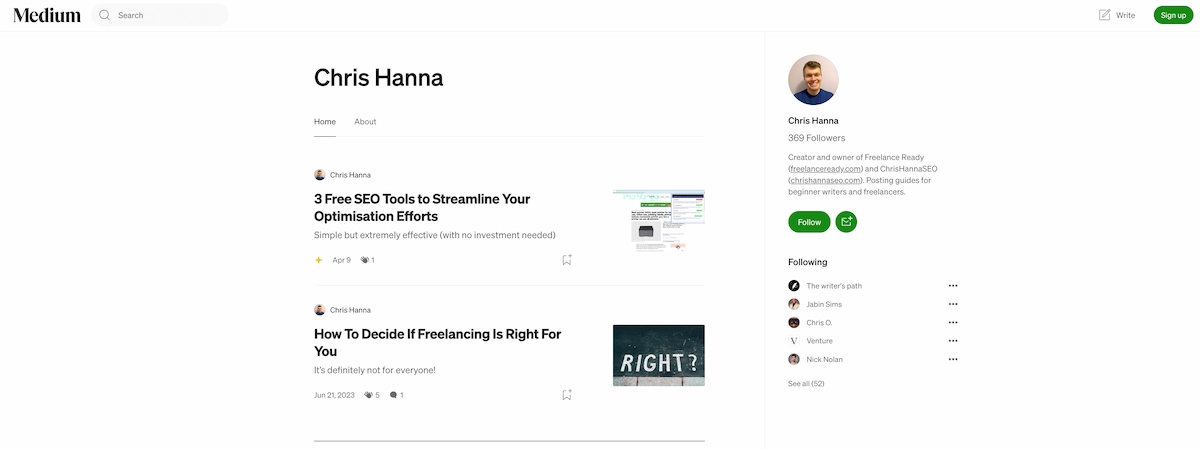
You can also ask your friends, family, and other members of your existing network if they know anyone who might need your writing services. You can do this at a discounted rate (or even for free, although this won’t last long) to get some practice and hopefully some examples you can show to real customers soon.
Build your portfolio
You can then use this experience (along with any other examples you have) to build your portfolio. This is essentially going to act as your digital resume, so only include your best writing samples here. And make sure potential customers can easily reach you.
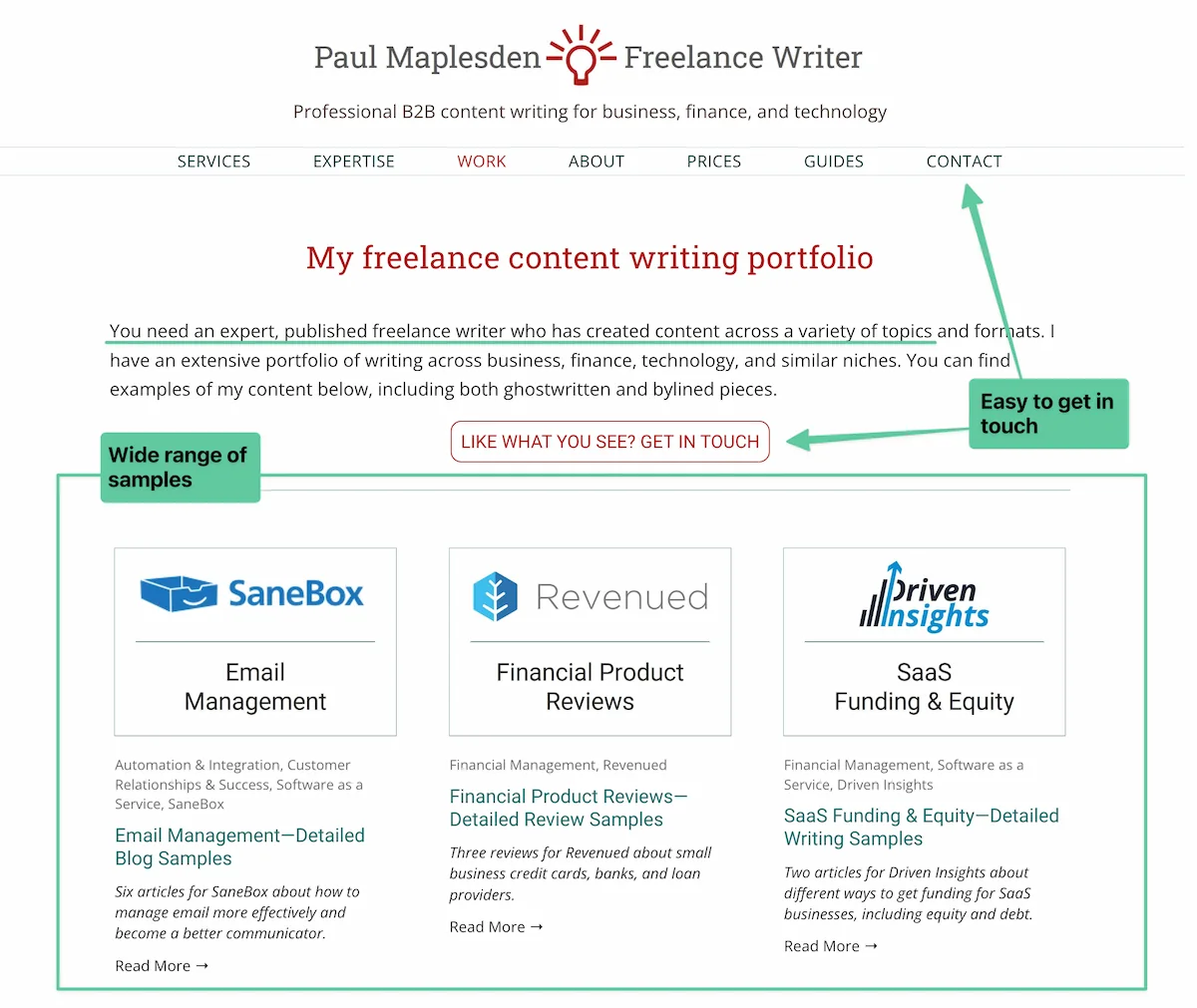
You can learn more about this in our guide to creating a freelance writing portfolio.
Don’t want to build a portfolio yet? In the meantime, your LinkedIn profile can serve as a decent space to show off your writing.
Take online courses
The number of people willing to share their knowledge about freelancing and writing may surprise you. There are many online courses on sites like Udemy and Coursera, along with YouTube videos, blogs, and interviews to help you on your freelancing journey. (Start with the free stuff.)
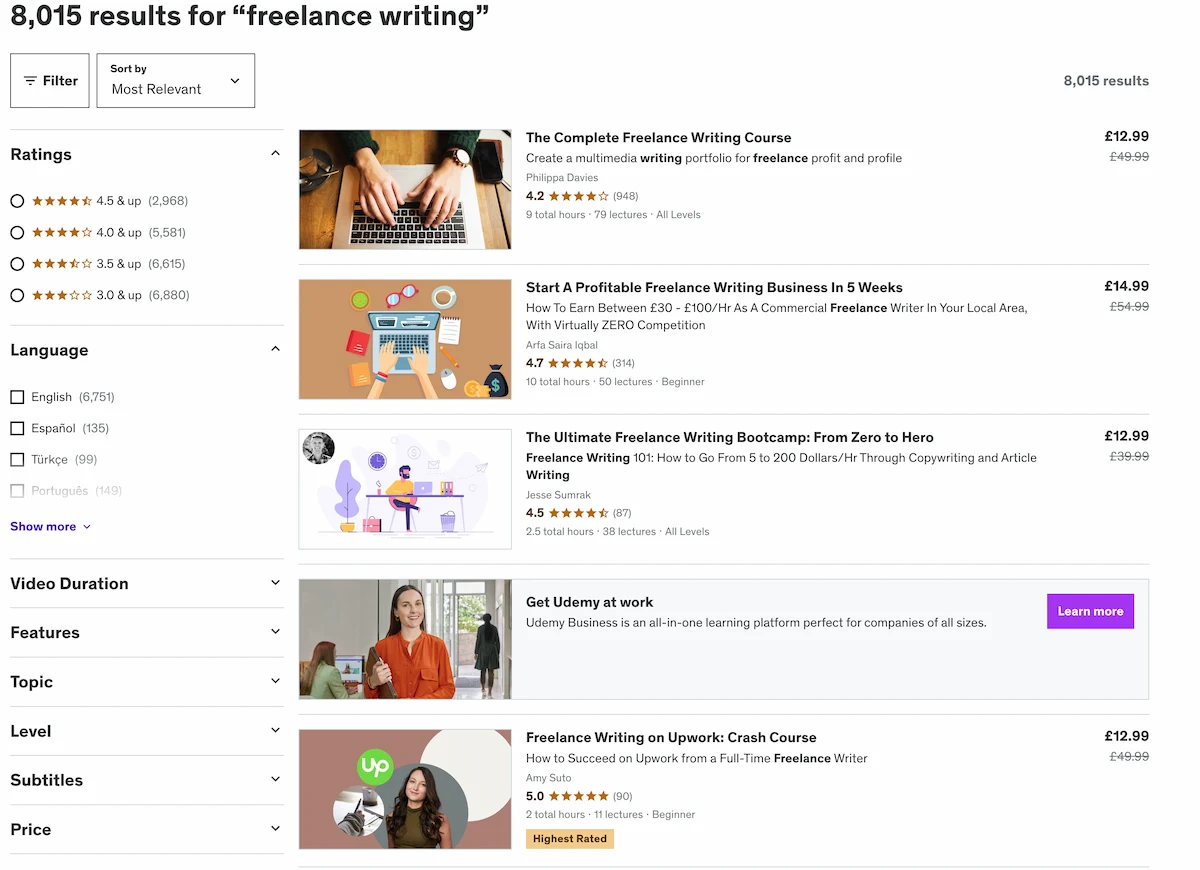
Some courses can be expensive, but most are quite affordable, fairly short, and you can take them at your own pace. The investment pays off because you improve your skills AND can therefore charge more for them.
Furthermore, the people who create these online courses are usually successful in their niches. So if you have any questions, you can contact an experienced professional.
But I’ll say it again: start with the free stuff. The internet has a lot to teach you without giving you a cent in return. When you go freelancing, use it to your advantage!
You don’t need a degree to succeed as a freelance writer
So you don’t need a degree to prove that you are a great writer. There are plenty of other ways you can learn to write well and become a successful freelancer at the same time.
You need good writing skills, along with a few other important qualities, such as patience and the determination to succeed. But you don’t need any specific qualifications to start working as a freelancer.
If you want more guidance on getting started, check out our checklist for aspiring freelance writers.
Freelance Ready is reader-supported. This means that some links on this website are affiliate links. If you sign up or make a purchase through these links, we may earn a commission.

Raquel is a freelance writer with a talent for technology and a passion for science. She draws on her own years of freelance writing experience to create articles for Freelance Ready on topics such as freelancing on Fiverr and the popular blogging platform Medium.com. Read more about Raquel here.



